



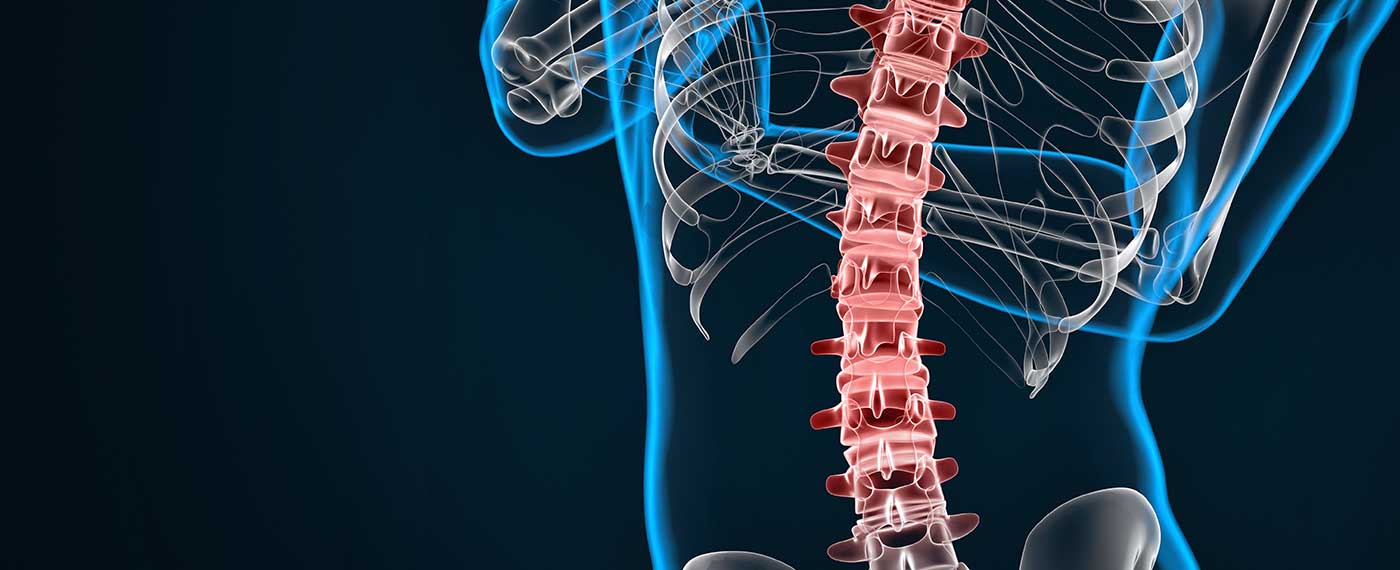


Back Pain
Over half of working Americans report having suffered from symptoms of back pain, and for some, their pain is such that it interferes with work, their family and their quality of life. Today back pain is the leading cause of disability worldwide. Don’t let your chronic back pain take you away from the things that matter to you the most. Tell us about your pain today to take the first step towards a life free from back pain.
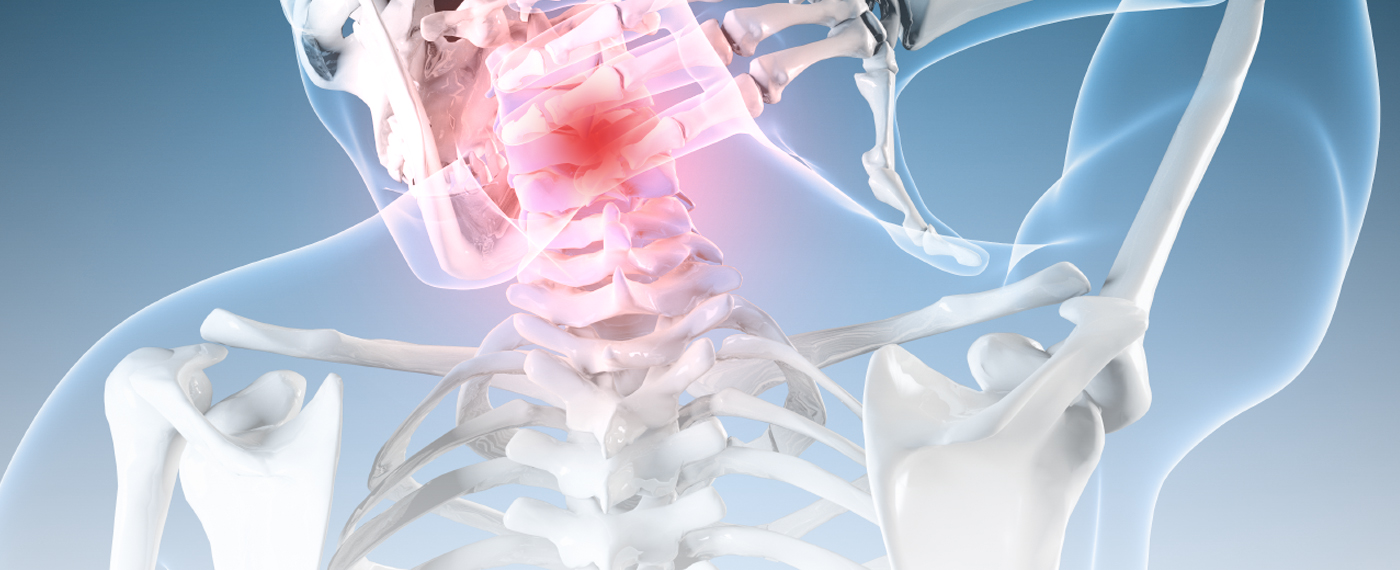
Neck Pain
About 30% of American adults suffer from chronic neck pain, which often interferes with daily life. A wide range of causes for neck pain exist, ranging from rheumatoid arthritis to injury and more. Dr. Spiel specializes in diagnosing the cause of chronic neck pain and helping patients discover that their pain no longer needs to dominate their life. Learn more about how we treat neck pain and discover your pathway towards a life free from pain.
Accident Related Pain
Accidents can represent life changing obstacles for victims. About 2.35 million Americans are injured in car accidents each year, and for some the pain continues long after the event. All accidents are different and every case demands specialized care. Dr. Spiel is a board certified radiologist as well as a pain management specialist and is uniquely able to target and treat the source of your chronic pain. Tell us today how your accident related pain is interfering with your life and take the first step on the road to recovery.
Sports Injury
Whether you are an aspiring athlete competing competitively or just trying to stay active, sports injuries remain one of the most common causes of injury today. For many, these injuries not only keep the patient from the recreational activities they enjoy, but also interfere with work lives and simple daily tasks. If a sports related injury has impaired your ability to live your life to its fullest extent, it may be time to explore your pain treatment options. Reach out today and learn how Dr. Spiel has helped sports injury sufferers from professional athletes to retirees alike get back to their lives as well as the playing field.
Work Place Injury
Approximately every 7 seconds, a worker in the United States suffers a workplace injury. While slips and falls may come to mind first, there are many ways in which an injury can be suffered while on the job. If you are one of the 4.6 million Americans every year who has been hurt on the job, and are suffering from chronic pain as a result, there is help. Dr. Douglas Spiel has helped countless workers get back to their daily lives pain free. Contact us today to learn how his unique combination of radiological diagnosis and cutting edge pain treatment modalities can help you recover from your workplace injury related pain.
Chronic Pain
Nearly 50 million Americans suffer from chronic pain which interferes with their lives or their work on most days, or even on a daily basis. Chronic pain is the leading reason for which patients seek medical care, and can contribute to mobility issues, prevent patients from employment and even have an impact upon their mental health. Chronic pain affects people from all walks of life and can be caused by a wide range of factors. If your chronic pain is keeping you from living the life you dream of, contact us today to find out how Dr. Spiel can put you on the road to recovery.
Meet Our Pain Specialist!reach you!

Douglas J. Spiel, MD
Douglas J. Spiel, M.D. is a Board Certified Radiologist, and a member of the World Institute of Pain. Dr. Spiel was the first radiologist in the United States to become a Diplomat of the American Board of Interventional Pain Physicians and in recent years has served on the executive board. (Read More)
Tell Us About Your Pain
Looking for relief fast? Let us know about your issue and the best number to reach you!